Why Regular Roof Inspection Helps Prevent Costly Repairs
Regular roof inspections by local contractors help identify small issues early, preventing costly repairs and ensuring your roof stays durable and safe over time.
Understanding the importance of regular roof inspections can be a key step in protecting a property’s value and avoiding unexpected expenses. Over time, roofs endure wear and tear from weather, debris, and everyday use, which can lead to small issues that go unnoticed until they become costly repairs. Property owners in the area who prioritize routine inspections often find they can catch problems early, saving money and preventing damage to the interior and structure of their buildings. Local contractors specializing in roof inspections are equipped to identify these potential issues before they develop into major concerns, making ongoing maintenance a practical approach to safeguarding property investments.
Exploring why regular roof inspection helps prevent costly repairs highlights the value of proactive care in home or business maintenance. Many property owners discover that timely inspections can reveal hidden damage, such as weakened shingles, leaks, or structural vulnerabilities, that might not be immediately visible. By partnering with experienced local service providers, property owners can schedule inspections tailored to their specific needs, ensuring issues are addressed promptly. This preventative approach not only extends the lifespan of the roof but also minimizes the risk of expensive repairs down the line, making it a smart choice for those looking to preserve their property's condition and value.
- Roof inspection for early damage detection - homeowners noticing leaks or missing shingles can rely on local contractors to identify issues before they worsen.
- Post-storm roof assessment - after severe weather, local pros evaluate for damage that might not be visible from the ground, preventing future costly repairs.
- Pre-maintenance roof check - those preparing for seasonal changes can have local service providers inspect and address minor problems early.
- Old roof evaluation - property owners with aging roofs benefit from regular inspections to catch deterioration before significant repairs are needed.
- New roof installation inspection - during and after installation, local contractors ensure proper setup to avoid problems that could lead to expensive fixes later.
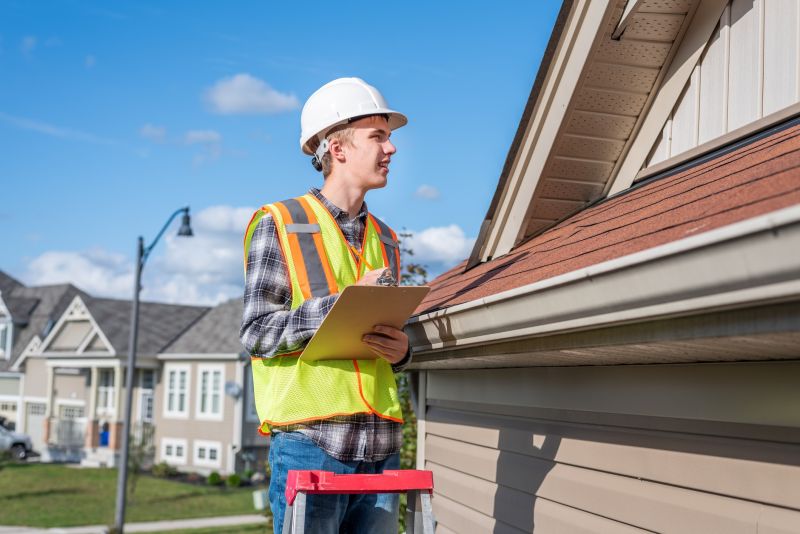
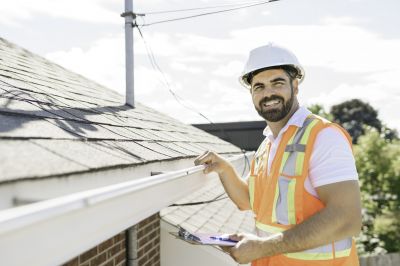
When homeowners search for why regular roof inspection helps prevent costly repairs, they are often looking to understand how routine assessments can catch problems early before they turn into major expenses. Many people associate roof inspections with seasonal or annual checkups, but the core idea is to identify issues like damaged shingles, leaks, or structural weaknesses before they cause significant damage. This proactive approach can save money by avoiding extensive repairs or even the need for complete roof replacements down the line. Homeowners might be planning upcoming renovation projects, preparing for severe weather seasons, or simply seeking peace of mind that their roof remains in good condition over time.
The problems connected to this topic typically involve common issues such as missing or broken shingles, damaged flashing, clogged gutters, or signs of water intrusion. These issues often develop gradually and can be difficult for homeowners to detect without a trained eye. Regular roof inspections help identify these vulnerabilities early, allowing for timely repairs that prevent water leaks, mold growth, or structural deterioration. For property owners, especially those with older roofs or those located in areas prone to storms or heavy rainfall, understanding how routine inspections relate to ongoing maintenance plans is essential. Properly maintained roofs contribute to the overall safety and integrity of the property, making inspections a key part of long-term property management.
The types of properties that typically come up in discussions about the importance of regular roof inspections include single-family homes, multi-family residences, and small commercial buildings. Residential properties are the most common, as they often require ongoing upkeep to protect their investments. However, larger or commercial properties also benefit from routine inspections to ensure their roofs remain functional and compliant with safety standards. Regardless of property size, the goal is to identify issues early, which is where experienced service providers come into play. Local contractors who specialize in roof inspections can tailor their assessments to the specific needs of each property, helping owners plan necessary repairs or maintenance before problems escalate into costly emergencies.
Overall, understanding why regular roof inspection helps prevent costly repairs connects directly to real projects homeowners undertake to preserve their property value and avoid unexpected expenses. When property owners recognize the signs of potential problems and work with local service providers, they can implement targeted repairs that extend the life of their roofs. These inspections often include visual assessments, minor repairs, and recommendations for more extensive work if needed. By prioritizing routine inspections, homeowners can stay ahead of issues, reduce the risk of damage during storms or harsh weather, and maintain a secure, protected home environment. This practical approach underscores the importance of partnering with experienced local contractors who can provide tailored inspections and help keep roofs in optimal condition.
Gutter Repair and Maintenance - gutter projects involve inspecting and maintaining drainage systems, which helps identify issues that can cause roof damage if left unchecked, aligning with the importance of regular roof inspections.
Attic Ventilation Projects - proper attic ventilation requires planning and assessment similar to roof inspections, ensuring moisture and temperature control to prevent roof deterioration.
Chimney Repair and Inspection - chimney projects involve detailed inspections and repairs that can reveal underlying issues affecting the roof’s integrity, emphasizing the value of regular assessments.
Flashing Installation and Repair - flashing work involves detailed planning and precise installation to prevent leaks, directly related to identifying vulnerabilities during roof inspections.
Skylight Replacement and Repair - projects involving skylights require careful inspection and sealing, which parallels the process of identifying potential problem spots during routine roof checks.
Roof Ventilation System Installation - installing ventilation systems involves planning and inspection similar to roof assessments, helping prevent issues that lead to costly repairs.
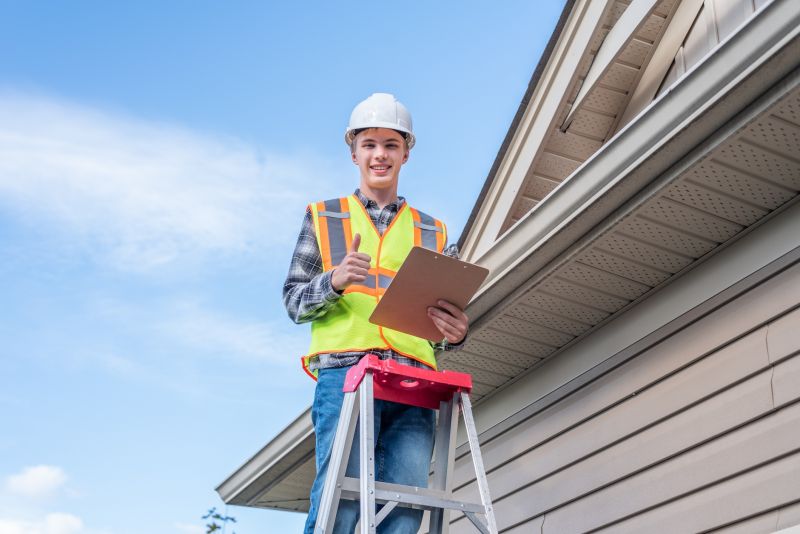
When comparing local contractors for roof inspection services, it’s important to consider their experience with similar projects. Homeowners should look for service providers who have a proven track record of inspecting roofs comparable in size, style, or age to their own. An experienced contractor is more likely to identify potential issues early, helping to prevent small problems from escalating into costly repairs. Asking for details about their past work or seeking out references can provide insight into their familiarity with various roofing systems and their ability to deliver thorough inspections.
Clear written expectations are essential when evaluating roof inspection services. Homeowners should seek service providers who can outline what the inspection will cover, including specific areas of focus such as shingles, flashing, gutters, and ventilation. Well-defined expectations help ensure that the inspection process is comprehensive and that homeowners understand what issues might be identified. Transparent communication about the scope of work also allows for informed decision-making and helps prevent misunderstandings or surprises after the inspection is completed.
Reputable references and effective communication are key factors in choosing a reliable service provider. Homeowners are encouraged to ask for references from previous clients who had similar inspection needs, as this can reveal the contractor’s professionalism and attention to detail. Good communication throughout the process ensures that questions are answered clearly and concerns are addressed promptly. By selecting local contractors known for their responsiveness and transparency, homeowners can feel more confident that their roof inspections will be thorough, accurate, and helpful in maintaining the integrity of their roof and avoiding costly repairs down the line.
Property owners often search for why regular roof inspection helps prevent costly repairs when they are planning practical projects around their homes and businesses. Local pros provide Roof Inspection services for everyday jobs and straightforward project options.
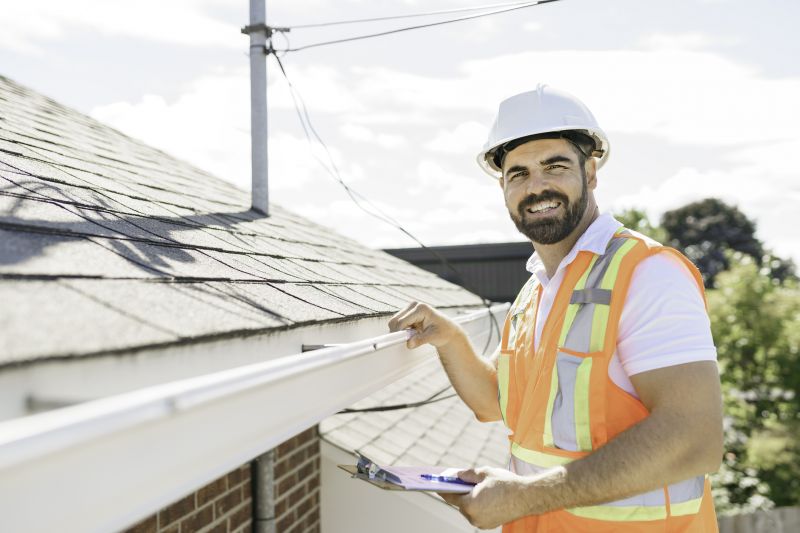

Regular roof inspections are a practical way for property owners to catch small issues before they develop into major, costly repairs. Over time, exposure to weather elements such as wind, rain, and sun can cause minor damage to roofing materials, which might go unnoticed without a careful eye. Local contractors who specialize in roof inspections can identify signs of wear, leaks, or structural weaknesses early on, helping homeowners address problems before they escalate into expensive repairs or replacements.
Many property owners in the area look up this topic because they want to protect their investment and avoid unexpected expenses. Routine inspections provide peace of mind by ensuring the roof remains in good condition and can withstand the elements. Service providers in the community can offer professional assessments and maintenance recommendations that help extend the roof’s lifespan and prevent costly damage down the line. Regular inspections are a simple, proactive step toward maintaining a safe and secure home.
How does regular roof inspection help identify potential issues early? Regular roof inspections allow local contractors to detect minor problems before they develop into major, costly repairs, saving homeowners money in the long run.
Why is it important to catch roof damage early? Catching roof damage early through inspections helps prevent leaks, structural deterioration, and other costly issues that can arise if problems are left unaddressed.
What types of damage can a roof inspection reveal? Roof inspections can uncover issues such as missing shingles, damaged flashing, water intrusion, and signs of wear that might not be visible without a professional assessment.
How do regular inspections contribute to extending the roof’s lifespan? Routine inspections help maintain the roof’s condition, allowing local service providers to recommend timely repairs that extend the overall lifespan of the roofing system.
In what ways can a roof inspection prevent unexpected repair costs? By identifying and addressing small problems early, roof inspections help prevent the need for expensive emergency repairs caused by unchecked damage or deterioration.
Regular inspections identify minor damage early - property owners can schedule routine roof evaluations with local contractors to catch small issues before they escalate.
Detecting leaks prevents water damage - professional roof assessments help identify potential leak sources that could lead to costly repairs if left unnoticed.
Maintaining roof integrity extends lifespan - engaging local service providers for periodic inspections supports proactive upkeep, reducing the need for extensive repairs later.
Addressing wear and tear promptly - timely inspections enable property owners to coordinate repairs with local contractors, avoiding more serious and expensive problems.
If you are thinking about why regular roof inspection helps prevent costly repairs for a property, this guide is meant to help you understand this topic, the typical project types, and how different options might fit your plans.
When you are ready, you can use the quote form on this page to share a few details about your project. From there, local pros can review the basics and follow up with options that match what you have in mind.